
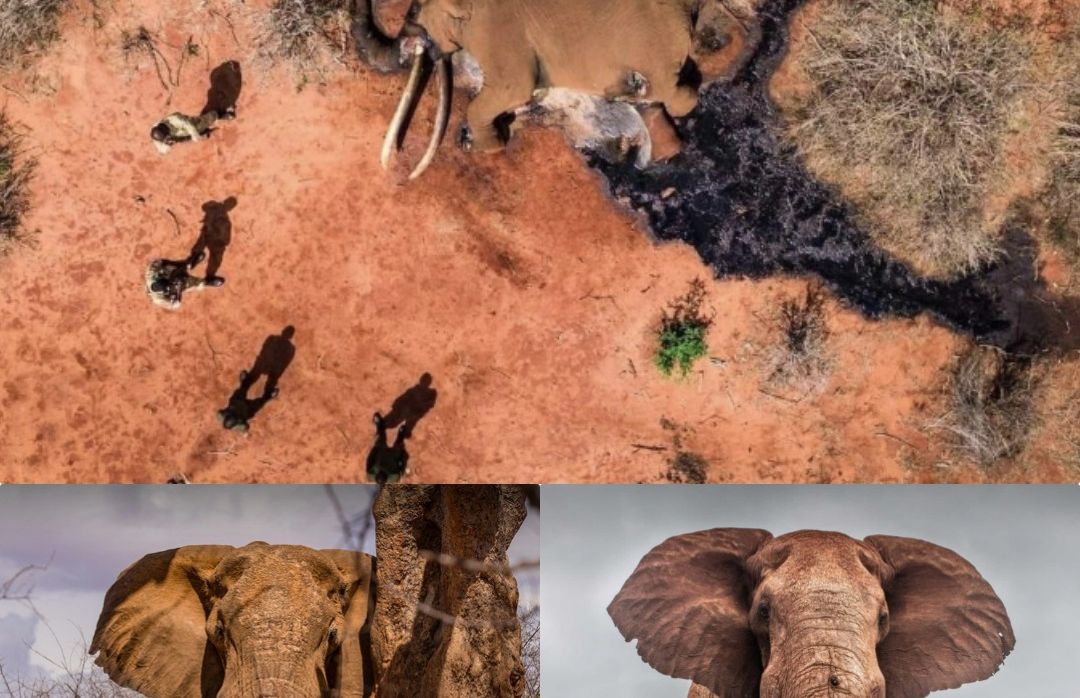
In a world where wildlife conservation constantly battles poaching, habitat loss, and human-wildlife conflict, the loss of an iconic animal is always heartbreaking. This time, the world mourns one of the most extraordinary elephants ever known—famous for having the largest tusks ever recorded. His death marks not only the loss of a giant, but the loss of a symbol of strength, resilience, and Africa’s wild beauty.
To many, this elephant was more than a creature of the wild; he was a legend. His massive tusks, each weighing over 100 pounds, nearly touched the ground as he moved across the savannah. They represented not just his physical power but the beauty and complexity of the natural world.

He was born decades ago in Africa’s vast wilderness, where danger came not only from predators but also from humans who wished to harm him. As his extraordinary tusks grew, they attracted the attention of wildlife lovers, researchers, and poachers. Conservation groups, rangers, and local communities worked for years to keep him safe, fighting against the constant threat of poaching.
His peaceful nature made him even more remarkable. Unlike some elephants known for aggressive behavior, he moved calmly across the plains with quiet grace. His immense size and strength were never used for intimidation but stood as reminders of the role elephants play in the natural world—one deserving of respect.

Despite the many challenges he faced—predators, human encroachment, and poachers—he thrived. His tusks continued to grow until they surpassed all known records. Seeing him in the wild was an unforgettable experience, a glimpse into something extraordinary.
But, like all great creatures, his time eventually came. After many years of strength and beauty, he passed away, leaving an irreplaceable void. His death deeply affected those who had fought to protect him. To them, he was more than an animal—he was a friend and a symbol of their mission to preserve Africa’s wildlife.

The exact circumstances of his death remain uncertain. Some believe he died of natural causes, a sign that even the strongest must eventually yield to time. Others think age simply caught up with him. What is certain is that he lived a full life marked by resilience and survival.
Conservationists and community members mourned his loss but also celebrated the life he lived. His legacy continues through ongoing efforts to protect elephants and other endangered species. His story inspired countless people to take action and brought global awareness to the dangers wildlife face.

Tributes poured in from around the world after his passing. Wildlife groups honored a true legend, while animal lovers expressed admiration for his strength, grace, and the awareness he helped raise about poaching and illegal wildlife trade.
His death is a reminder of the fragility of life in the wild and the importance of protecting endangered species. While his tusks were once symbols of awe, it is his spirit—one that endured against all odds—that will be remembered most.
As we reflect on his life, we are reminded that Earth’s greatest treasures are not just the majestic animals we admire but the efforts we make to preserve them. His legacy will continue to inspire wildlife supporters everywhere.
In the end, the best tribute to this magnificent elephant is to continue the work he represented—protecting vulnerable species and ensuring their stories continue for generations. Though he no longer walks the savannah, his memory will live on, inspiring us to protect the wild creatures who need us most.